
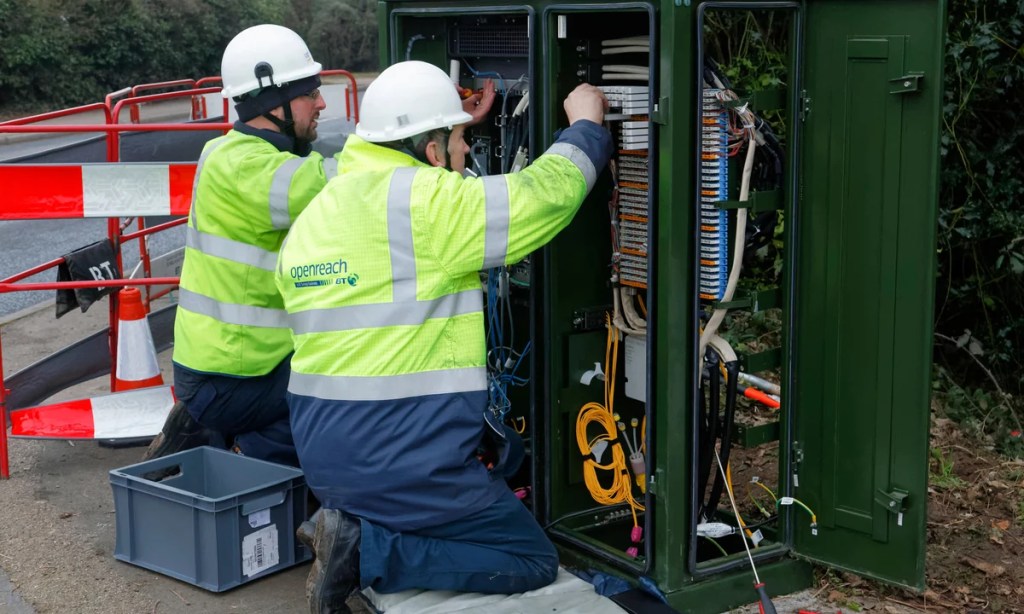
Public Switch Telephone Network (PTSN) copper cables will be cut in January 2027 with BT introducing the Digital Voice service in its place.
First Published: Friday 17th January 2025
Millions of Brits could be left isolated by the loss of their landline telephones when BT flips the switch to digitalise the network in the most transformative communications update in decades.
The elderly and vulnerable are among those most at risk from being caught out when the telecoms network switches off the Public Switched Telephone Network (PTSN) copper wiring to replace it with the new Digital Voice service from January 2027.
The warning has been issued forty years to the day since BT officially retired its network of iconic red phone boxes from the streets of Britain.
BT had originally planned to switch to the new service by the end of this year, but was delayed until January 2027 after thousands signed a petition calling on the privately owned communications giant to provide elderly and vulnerable people more time to prepare.
Polling shows one in three Brits (34%) are unaware of the implications of the 2027 deadline while 46% of us share concerns about the elderly experiencing increased loneliness and isolation if they find themselves without a landline, according to the survey by Censuswide.
The universal adoption of mobile phones is now deep into its third decade after a popularity boom in the late 1990’s and early 2000’s.
By 2011, it was estimated that more British phone calls originated from mobile devices than wired connections, yet 52% of British households today say they still use a landline and 20% of rural homes still consider their landline as their primary means of communication.
Additionally 41% of Brits still enjoy the safety net of having a landline with a clear connection for times when mobile phone service proves insufficient, while 39% say their landline is the best means to connect with elderly relatives.
On BT’s Digital Voice help page, the company describes the incoming service as their “next generation phone service,” and says it will “make it easier for you to connect from any device at home or on the go.”
BT says: “For most households, upgrading to Digital Voice will have no impact on how you use your phone today.
“Digital Voice will give you the same reliability, trust and familiarity of your current home phone service and it will enable new benefits and features, such as crystal clear calls and the ability to block nuisance calls at the touch of a button.“
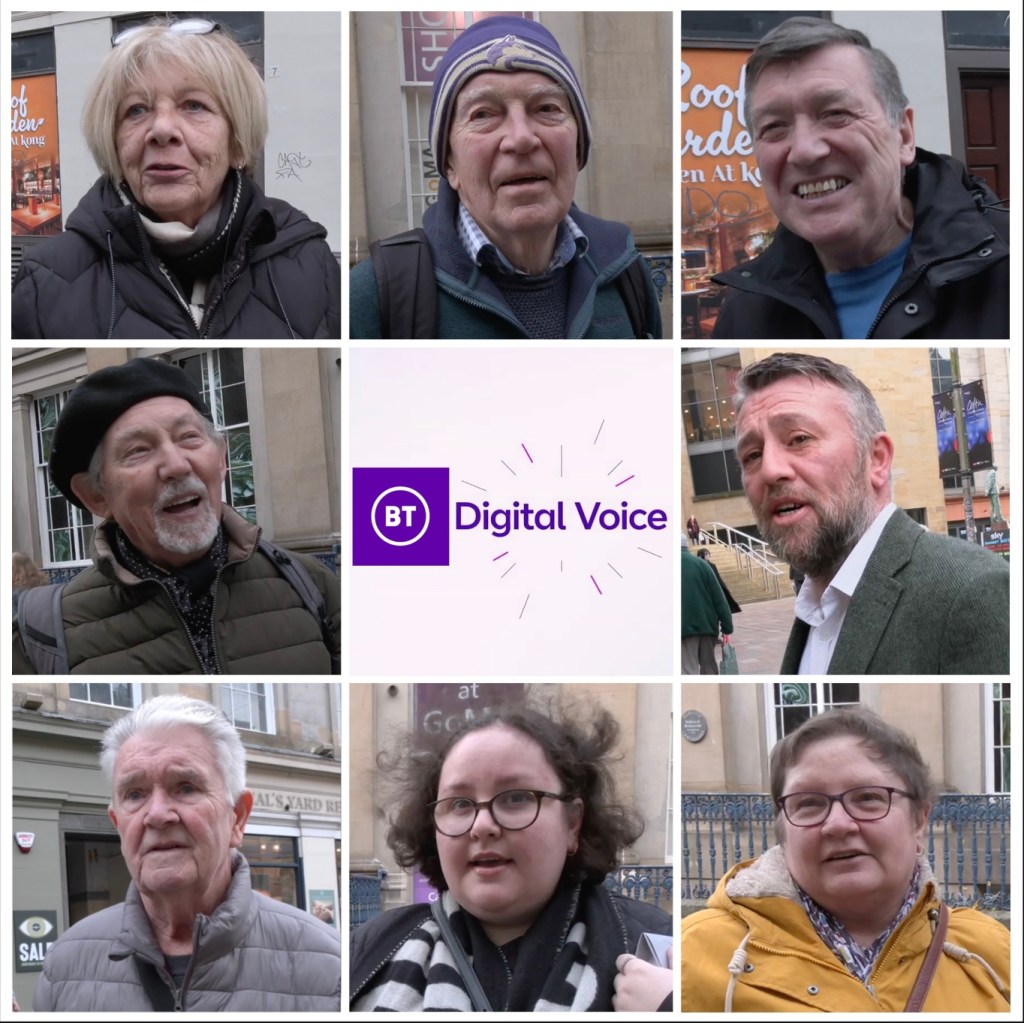
GB News took the story to the streets of Glasgow to discuss the switchover with the public to gauge their awareness of Digital Voice and to hear out their concerns.
Grandmother Agnes described having her landline through TalkTalk via BT’s Openreach network, but was just now hearing about the switchover.
She laughed, “I’m the elderly one in the house” but agreed that the more senior callers like her “would definitely still need a landline” along with additional support to walk her through the switch.
Retiree Peter said he ditched his landline eight years ago, but he shares concerns about the remote, elderly and vulnerable, describing it as “a huge concern”.
“Nobody seems to be worried about it over duly,” he said, “so it’s an issue that’s going to come to the fore at some stage.”
Hot on his heels, another gentleman laughed as he too placed himself in the senior category, but similarly shared concerns over sudden isolation.
“It could be [a concern],” he said, adding “especially if they’re on their own and they don’t have any family so yes it would be an issue.”
The difference in attitudes towards landline telephones came to the fore when speaking to a mother and daughter in Glasgow’s Royal Exchange Square.
Asked if she had concerns about elderly relatives, mum Liz said: “Potentially, if they have an accident of some kind and can not access services, because I don’t know how reliable these fobs are – does that pick up on some internet systems or is it landline operated? I don’t know.”
Standing next to her, her daughter Sarah – a former BT employee – confirmed personal alarm fobs were somewhat reliant on landline connections.
In fact, the list of affected devices and services goes even further: elevator emergency call features; fax services; security alarms; and telecare devices such as fall detectors and ECG machines could all be affected by the Digital Voice rollout.
Sarah said, “In a way I think it will be good but elderly people will be affected and when I did work for BT, I’ve had a lot of people that did not want to switch for that reason.
“In the end they didn’t have a choice because it was an automatic switch.”
“That’s not good,” said her mum, “they need to have a choice.”
But amidst all the concern, the experienced voice of grandfather Eric was tempered with calm acceptance.
“There’s only one thing in life that’s constant,” he said, “and that’s change and we’ve all got to change and adapt along with it to make it work.”
Two years sounds like a lot of time to fully brief the public on BT’s Digital Voice switchover, but as a nation of 188 permanently inhabited offshore islands and an ageing population, combatting isolation will remain a key talking point as Britain moves closer to the all-important date.
 TonyMcGuire.com
Leave a comment